
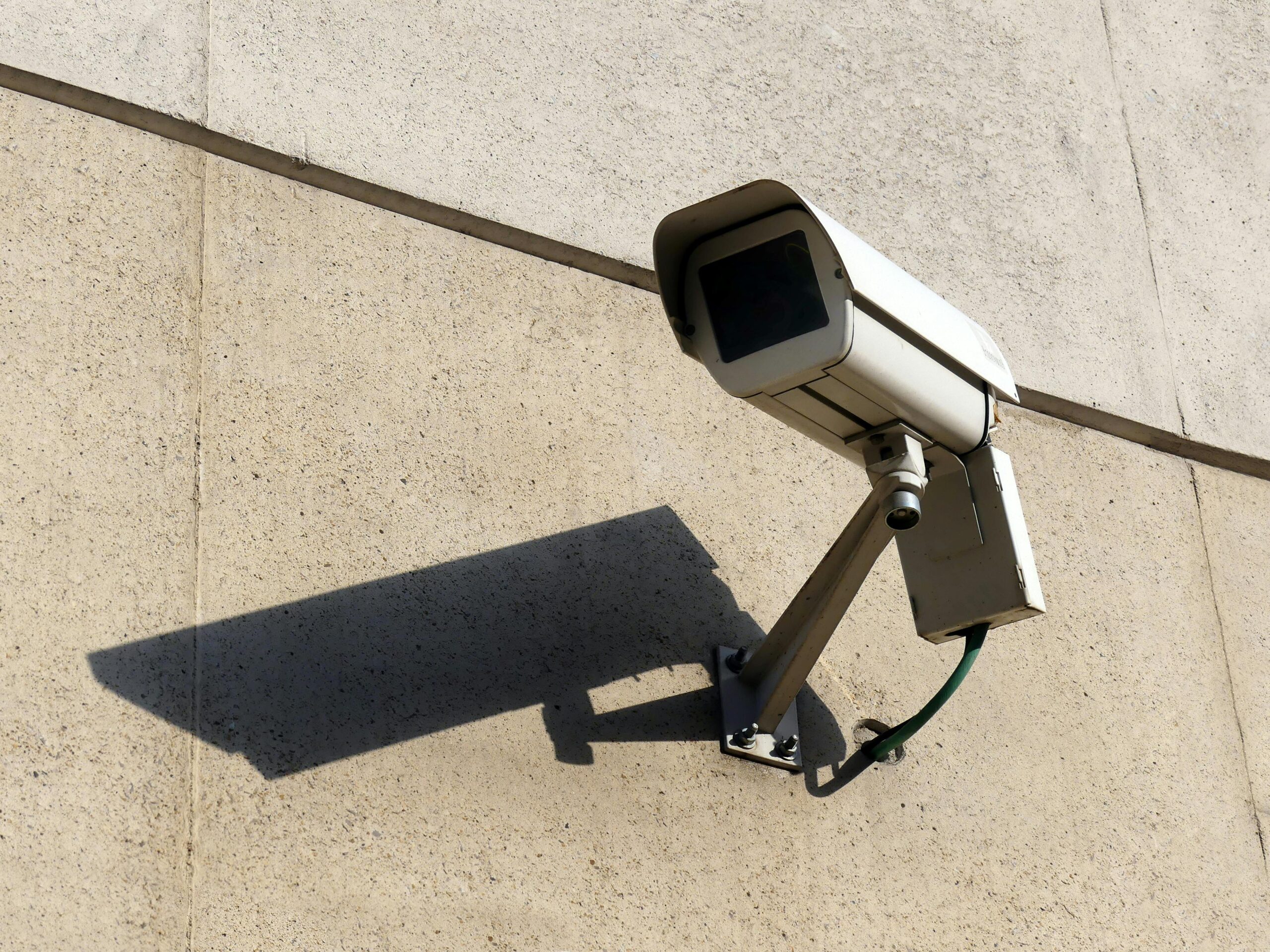
Why Choose CCTV?
- Deterrence: Visible cameras can deter potential intruders.
- Evidence Collection: Recordings can provide crucial evidence in case of incidents.
- Remote Monitoring: Many modern systems allow you to monitor your property from anywhere via your smartphone.
- Insurance Benefits: Some insurance companies offer discounts for properties equipped with security systems.
Steps to Successful CCTV Installation
1. Assess Your Needs
- Identify the areas you want to monitor.
- Determine the number of cameras required and their types (indoor, outdoor, PTZ, etc.).
2. Choose the Right Equipment
- Camera Type: Opt for high-definition cameras for clear images.
- Storage Solutions: Decide between local storage (DVR/NVR) or cloud storage options.
- Additional Features: Look for night vision, motion detection, and two-way audio capabilities.
3. Plan the Layout
- Create a layout of your property to identify optimal camera placements.
- Ensure cameras cover all entry points and high-traffic areas without blind spots.
4. Installation Process
- Mount the Cameras: Use sturdy mounts and ensure they are securely installed.
- Wiring: For wired systems, run cables through walls or ceilings for a clean look. For wireless systems, ensure Wi-Fi coverage is strong.
- Connect to Power: Ensure cameras are connected to a reliable power source.
5. Set Up the System
- Configure the cameras and recording settings according to your preferences.
- Test each camera to ensure they are functioning correctly.
6. Monitor and Maintain
- Regularly check camera feeds and recordings to ensure everything is working smoothly.
- Schedule maintenance checks to ensure your system is up-to-date and functioning optimally.
Common Mistakes to Avoid
- Poor Camera Placement: Avoid placing cameras too high or in positions with limited visibility.
- Neglecting Privacy Laws: Ensure you’re aware of local laws regarding video surveillance to avoid legal issues.
- Ignoring Maintenance: Regular maintenance is crucial to keep your system reliable.
